
Two Divine Signs on the Acropolis
In the account preserved by Pseudo-Apollodorus, the gods sought cities where they would receive special worship. Poseidon came to Attica first. He struck the center of the Acropolis with his trident and produced a sea called Erechtheis. Athena followed, called Cecrops as her witness, and planted an olive tree in the sacred precinct. The two deities then disputed possession of the land. Zeus appointed the twelve gods as arbiters, and Attica was awarded to Athena because Cecrops testified that she had been first to plant the olive. This source does not say that Athenian citizens voted or that they compared a list of practical benefits.
Why Other Versions Tell It Differently
Ancient mythology rarely has one fixed script. The Roman poet Ovid retells the contest inside Minerva’s woven picture in Metamorphoses Book 6. In his version, Neptune brings forth a horse, Minerva produces a fruit-bearing olive, and the gods judge her gift superior. The Greek traveler Pausanias records another visual form. On the Acropolis he saw Athena represented with the olive and Poseidon with a wave, while the west pediment of the Parthenon depicted their contest for the land. Salt water, wave, and horse therefore belong to different ancient tellings; combining them without explanation creates a modern hybrid.
More Than a “Useful Gift”
It is tempting to summarize the story as agriculture defeating warfare, or as useful olive oil defeating useless salt water. Those readings can make attractive modern reflections, but they are interpretations. Pseudo-Apollodorus bases the verdict on Cecrops’ testimony; Ovid explicitly makes the olive the superior gift. Good storytelling lets the source determine the version.
The Olive as a Sign of Athens
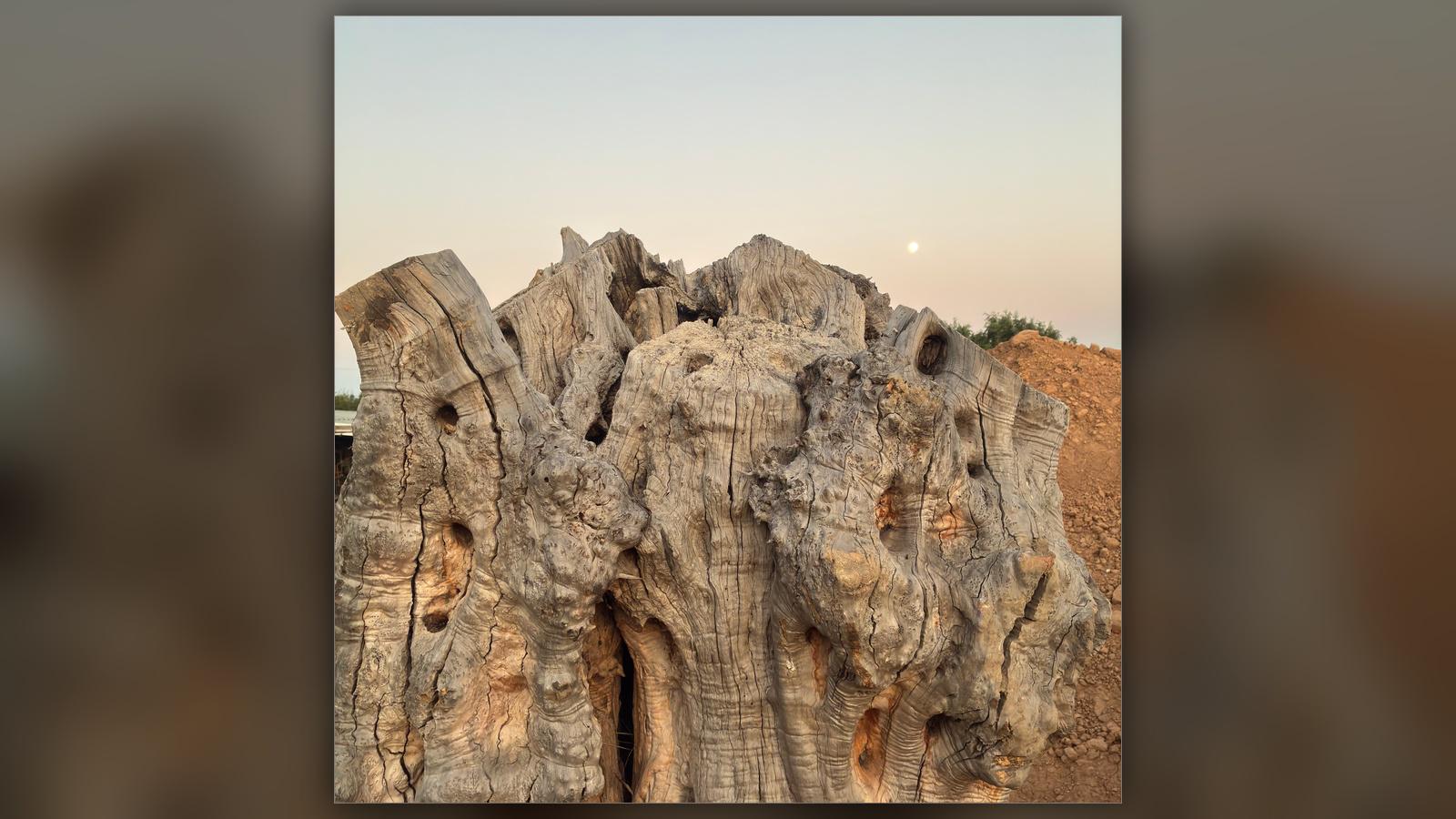
The sacred tree remained part of Athenian memory. Herodotus reports that after Persian forces burned the Acropolis, a new shoot about a cubit long appeared from the olive stump the next day. He presents this as an Athenian report, not as modern botanical evidence. Across myth, monument, and historical memory, the olive became a sign of Athena’s claim and Athens’ survival. Its power lies not in a single simplified moral, but in centuries of retelling. Explore handcrafted olive-wood pieces rooted in Mediterranean history.